
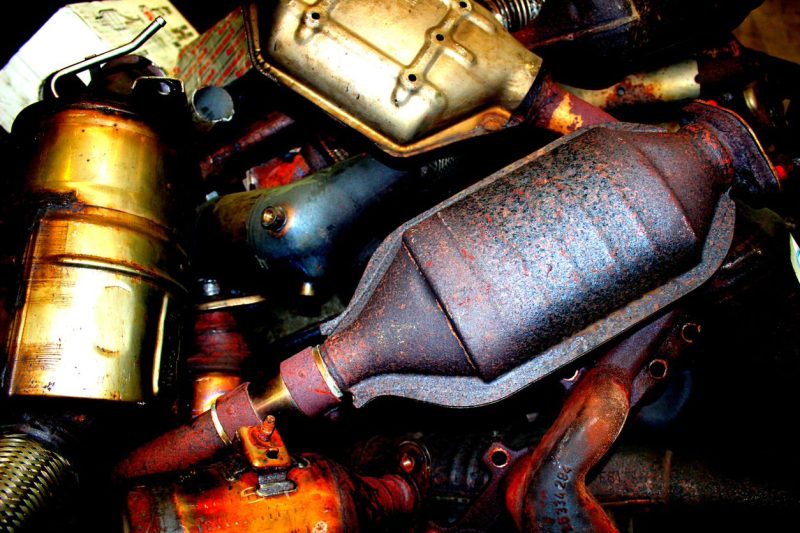
Catalytic converters have been a part of every vehicle in the US since 1975. Converters reduce the amount of airborne pollution produced by combustion engines. Combustion produces dangerous and toxic chemicals, and the converter’s job is to change these chemicals into harmless ones. Like any other component, a converter can fail. As your Kia dealer, we want to tell you some signs that we need to replace your converter.
Do You Need a New Catalytic Converter From Your Kia Dealer?
Sulfur Smells
Hydrogen Sulfide stinks, as it smells like rotten eggs. If you smell this foul odor from your exhaust or engine, your converter may have failed. The converter uses heat, high pressure, and chemical reactions to change the combustion byproducts. Hydrogen sulfide, for example, is converted into odorless and harmless sulfur dioxide.
A converter has a lifespan of approximately ten years before it needs replacement. If the converter fails, the combustion byproducts will still be dumped into the exhaust system by the cylinders. The byproducts will pass through the damaged converter and emerge from the exhaust as toxic smoke. Our technicians will examine and test the converter and install a new one if it’s broken.
Blocked Converter
Your converter may be working perfectly, but it can become clogged with the residue of the conversion processes. Carbon and other residues can build up in the converter over time and create a blockage. A blocked converter will prevent the exhaust gases from exiting your car. These gases will be forced back into your engine.
The inflow of these gases into your engine will increase the fuel-to-air ratio in your engine. The high fuel ratio will reduce your engine performance and cause additional problems like misfiring or stalling. We can clear a blocked converter and allow the gases to exit the exhaust again. Once this happens, you’ll see an immediate increase in engine performance.
Your Converter Is Blue
A converter is a bright silver, and easy to distinguish from the rest of the exhaust system. If you look at your converter and it has a blue tinge, it may be seriously damaged. The blue color suggests that the converter is overheating. A converter operates at high temperatures as it works, but other engine problems can increase this temperature above the converter’s temperature threshold.
A high fuel-to-air ratio, for example, can cause this problem. Much of the fuel in a fuel-rich environment won’t burn. The hot, unburnt fuel will flow into the converter and raise its temperature. The higher temperature can cause the inside of the converter to burn. We can’t fix a burnt converter, but we can install a new one.
Driving with a damaged converter increases pollution and will damage your engine. Call us ASAP at Crain Kia of Fayetteville.
Connect with us


Recent Blog Entries
- The Redesigned 2027 Kia Seltos Brings Telluride Styling to Fayetteville
- Crain Buys Cars: A Simpler Way to Sell Your Vehicle in Fayetteville
- 2026 Kia Sportage vs Honda CR-V in Fayetteville, AR
- Why the 2027 Kia EV3 Could Be the Right-Sized EV for Northwest Arkansas Drivers
- 2026 Kia Seltos vs 2026 Subaru Crosstrek in Fayetteville, AR
Categories
 Warranties include 10-year/100,000-mile powertrain and 5-year/60,000-mile basic. All warranties and roadside assistance are limited. See retailer for warranty details.